


Ford Transit 2026 Guide

2026 Ford Transit Guide
The Ford Transit continues to be one of the most versatile full-size vans on the road in 2026, offering strong configurability, modern tech, and business-ready durability. Whether you’re running a fleet, building out a work van, or exploring passenger transport, the Transit remains a top contender in its segment.
2026 Ford Transit Quick Facts
- Body Styles: Cargo, Crew, Passenger
- Roof Options: Low, Medium, High
- Wheelbases: Regular & Long
- Engine: 3.5L V6 / Available EcoBoost
- Best For: Work vans, fleets, conversions
Jump to a Section
What’s New in the 2026 Transit Van
For 2026, the Ford Transit focuses on refinement rather than reinvention. Key updates include:
- Expanded availability of driver-assist safety features across more trims
- Improved infotainment interface with faster response and better connectivity
- Software and connectivity upgrades (fleet management improvements in higher trims)
- Ongoing efficiency tuning for EcoBoost engine options
- Enhanced upfit compatibility for commercial use cases
- CoPilot 360 (what’s this?)
While the core platform remains consistent, 2026 continues Ford’s push toward smarter fleet integration and improved driver comfort.
Specs, Configurations & Pricing
The Ford Transit is known for its flexibility. Here’s how it breaks down:
Body Styles
- Cargo Van
- Crew Van
- Passenger Van
Roof Heights
- Low Roof
- Medium Roof
- High Roof
Wheelbase Options
- Regular Wheelbase
- Long Wheelbase
Engine Options (typical lineup)
- 3.5L V6 (standard)
- Available EcoBoost V6 (higher output option in many trims)
Estimated Pricing (2026 Range)
- Base Cargo Van: ~$47,000–$52,000
- Crew Van: ~$50,000–$58,000
- Passenger Van: ~$54,000–$65,000+
(pricing varies by configuration and upfits)
| Configuration | Cargo Length | Cargo Height | Cargo Width |
|---|---|---|---|
| Low Roof | ~126 in | ~56 in | ~70 in |
| Medium Roof | ~126 in | ~72 in | ~70 in |
| High Roof | ~126 in | ~81 in | ~70 in |
| Configuration | Length | Height | Width (w/ mirrors) |
|---|---|---|---|
| Regular Wheelbase | ~217 in | ~83–110 in | ~97 in |
| Long Wheelbase | ~235 in | ~83–110 in | ~97 in |
Which Ford Transit Should You Choose?
Choosing the right Ford Transit depends on how you plan to use it. Here’s a quick breakdown:
- Cargo Van: Best for contractors, trades, and delivery use
- Crew Van: Ideal for teams that need both seating and cargo space
- Passenger Van: Best for shuttle services or group transport
Colors (2026 Ford Transit)
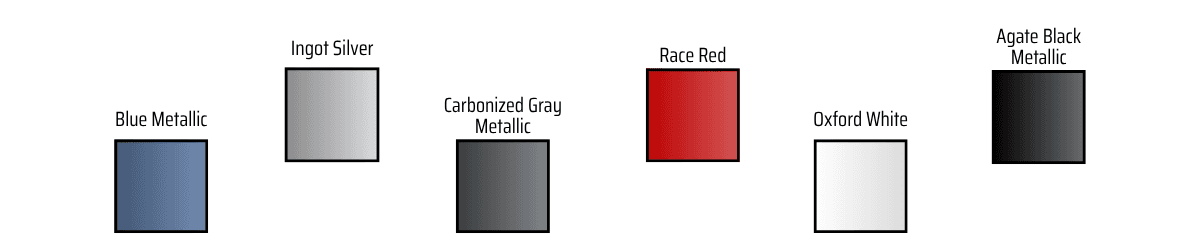
Color options include:
- Oxford White
- Agate Black Metallic
- Carbonized Gray Metallic
- Ingot Silver (availability varies)
- Race Red (fleet + retail availability varies)
- Blue Metallic options (varies by trim/package)
Is the Transit Right for You?
The Ford Transit is designed for flexibility across multiple buyer types:
Small Business Owners
Electricians, plumbers, HVAC techs, and delivery services benefit from its configurable cargo space and upfit options.
Fleet Managers
The Transit’s telematics, durability, and maintenance intervals make it ideal for scaling fleets efficiently.
Van Lifers / Conversion Buyers
High roof + long wheelbase models are especially popular for camper conversions and mobile living builds.
FAQ
How much does a 2026 Ford Transit cost?
Pricing typically starts in the upper-$40,000 range and can exceed $65,000+ depending on configuration, roof height, drivetrain, and upfits.
What engine does the 2026 Ford Transit have?
Most models come with a standard 3.5L V6 engine, with an available EcoBoost twin-turbo V6 option for increased power.
What is the difference between the 2025 and 2026 Ford Transit?
The differences are generally incremental. The 2026 model includes:
- Updated infotainment software and interface improvements
- Expanded availability of driver-assist features
- Minor efficiency and calibration improvements
- Ongoing refinement of fleet connectivity tools
- CoPilot 360
Does the 2026 Ford Transit have remote start?
Yes, remote start is available on most trims, either standard or as part of an optional package depending on configuration.
Ford Transit cargo vs passenger van. What’s the difference?
- Cargo Van: Designed for equipment, tools, and commercial use (no rear seats)
- Passenger Van: Includes multiple rows of seating for transporting people
- Crew Van: Hybrid option with partial seating + cargo space
What is the fuel economy of the 2026 Ford Transit?
Fuel economy varies by configuration, but most V6 models average approximately 15–19 MPG depending on roof height, drivetrain, and load.
Can the Ford Transit be used for camping or conversion builds?
Yes, especially high-roof long-wheelbase models, which are commonly used for camper conversions and mobile workspaces.
Final Thoughts
The 2026 Ford Transit remains one of the most configurable full-size commercial vans available, offering multiple roof heights, wheelbases, and seating layouts to support contractors, fleet operators, and personal conversion builds alike.
- Compare business use cases:
Ford Transit vs other vans for small business
Why Buy Your Ford Transit From Us?
- Local Ohio inventory ready for immediate delivery
- Commercial upfit-friendly options available
- Competitive pricing on work-ready vans
- Expert help choosing the right configuration
View available models:
2026 Ford Transit inventory

0 comment(s) so far on Ford Transit 2026 Guide