


The Auto Industry After WWII: Remembering Pearl Harbor
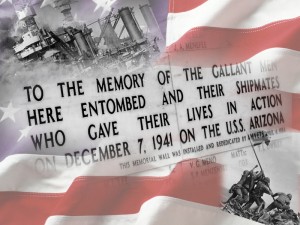 As today is National Pearl Harbor Rememberance Day, we thought it would be fitting to take a look back at how the auto industry was affected following this day in 1941.
The period between the end of World War II and the Watergate scandal has been called the golden age of American automobiles. Companies such as Packard, General Motors, and Ford managed to produce some of the most iconic American automobiles during this period. These companies also dominated the global car market.
What was the secret to this thirty-year-plus period of amazing success and dominance? The main secret lied in Germany and Japan.
Think about the state of Japan and Germany after the end of World War II. Both countries were heavily bombed by the Allied Forces, predominantly the United States. Both Axis nations found their manufacturing, distribution, and communications lines severely disabled and destroyed thanks to targeted bombing raids by the US Army Air Corps.
While Germany and Japan attempted to rebuild their infrastructure and automotive industries, the United States was already producing steel, rubber, glass, and automobiles at high volumes. The investment in manufacturing and production within the United States during World War II focused mostly on the war effort. The switch to domestic projects was rapid and utilized the existing inventory and companies.
As Germany and Japan were rebuilding, the United States was able to build and sell cars across the globe. Once Japan and Germany had recovered to prewar levels of production, the introduction of German and Japanese automobiles began in the United States. These vehicles were comparable to the American made automobiles but were more expensive. Rather than fading away, these motor companies found ways to boost their luxury and craftsmanship.
Think of the top German and Japanese automobiles available in the United States. Mercedes-Benz and BMW are known for their high-end luxury styling and performance. Toyota and Honda are known for being reliable, well-built, and fuel efficient. These distinctions were created during the 1970s as they began creating a niche within the US auto market.
From the moment the Japanese bombed Pearl Harbor, the United States moved to rapidly militarize their infrastructure and production capabilities. During this period, it was extremely difficult to purchase a new US made automobile or parts for your car. However, this period of militarization forced the USA to find cheaper and more efficient ways to produce and distribute raw materials and finished goods. This increased productivity was quickly utilized by the automotive industry.
Additional support for the auto industry came from the creation of the Interstate Highway System based on Germany’s Autobahn. This new highway increased demand for personal vehicles, allowing car makers to thrive. Highways helped end the era of trains.
It may not be a pretty image, but the golden age of American automobiles never would have occurred without the United States becoming involved in World War II.

0 comment(s) so far on The Auto Industry After WWII: Remembering Pearl Harbor